

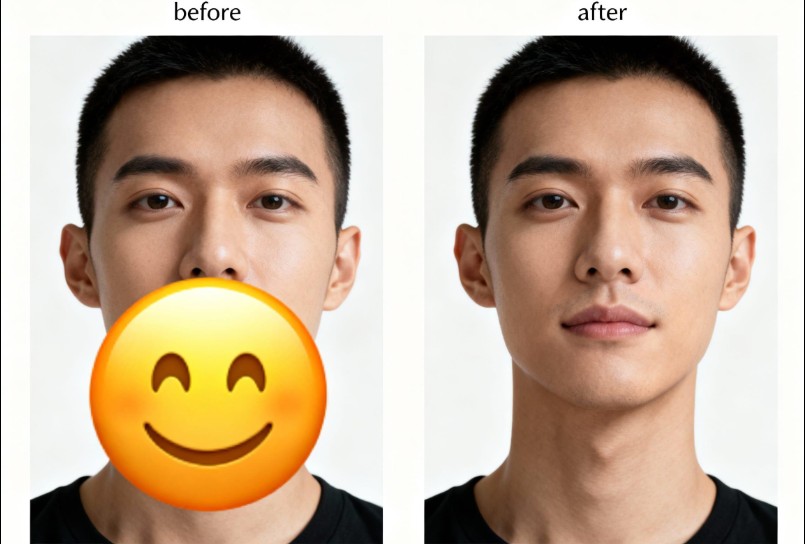
Face emojis have become a common way to hide identities, protect privacy, or add creativity to photos shared online. Whether on social media, messaging apps, or websites, many people place emojis over faces to conceal personal information before posting images publicly.
As image editing technology continues to evolve, various tools and applications now claim to remove face emojis from pictures. These tools use advanced artificial intelligence (AI) and image-processing techniques to analyze images and reconstruct hidden areas. While this technology can be useful in some situations, it also raises serious ethical and privacy concerns.
In this guide, we’ll explore how face emoji removal works, the potential risks involved, and why responsible use of these tools is essential.
What Is Face Emoji Removal?
Face emoji removal refers to the process of eliminating an emoji sticker, icon, or overlay from an image. Modern AI-powered applications attempt to fill in the hidden area by analyzing surrounding pixels, textures, colors, and patterns.
Instead of simply deleting the emoji, these tools generate an estimated reconstruction of the covered section, making the image appear more natural.
However, it’s important to understand that AI cannot perfectly recover information hidden beneath an emoji. Most tools create an approximation rather than revealing the original content.
How Face Emoji Removal Technology Works
Most emoji removal applications rely on AI image inpainting technology. The process generally includes:
1. Emoji Detection
The software scans the image to identify emoji overlays, stickers, and other obstructions.
2. Image Analysis
AI algorithms study nearby pixels, textures, lighting, and colors surrounding the emoji.
3. Content Reconstruction
The hidden area is filled using machine learning models trained on millions of images.
4. Image Enhancement
Additional processing improves blending and reduces visible editing marks.
The final result often looks realistic, although it may not accurately represent what was originally hidden.
Privacy and Ethical Concerns
While the technology may seem impressive, it introduces several important concerns.
Privacy Risks
Many people intentionally cover faces or sensitive details before sharing photos online. Attempting to remove those protections may violate an individual’s privacy expectations.
Potential Misuse
Face emoji removal tools can be misused to expose identities, locations, or personal information that someone deliberately chose to hide.
Lack of Consent
Removing an emoji from another person’s image without permission raises ethical questions. Individuals have the right to control how their images are shared and displayed.
Digital Manipulation
AI-generated reconstructions can create misleading images. Since the restored area is often an estimation rather than the original content, viewers may mistakenly believe the edited image is authentic.
When People Use Face Emoji Removal Tools
Some common reasons include:
- Restoring personal photos where emojis were added accidentally.
- Improving image aesthetics for personal use.
- Creating cleaner marketing or promotional materials.
- Learning about AI image-editing technology.
Regardless of the purpose, users should ensure they have the proper rights and permissions before editing images involving other people.
Features of Modern Emoji Removal Apps
Many AI-based editing tools offer features such as:
Fast Processing
Users can remove emojis with just a few clicks, saving time compared to manual editing.
AI-Powered Reconstruction
Advanced algorithms automatically generate replacement content for hidden areas.
User-Friendly Interface
Most applications are designed for beginners and require little technical knowledge.
Multiple Editing Options
Some tools allow users to remove stickers, text, watermarks, objects, and emojis within the same platform.
Cross-Platform Availability
Many emoji removal solutions are available on mobile devices, desktop software, and web-based platforms.
Best Practices for Responsible Use
To use emoji removal technology responsibly:
- Always obtain permission before editing photos of other people.
- Respect privacy when images contain hidden personal information.
- Avoid using edited images to mislead others.
- Understand that AI-generated restorations are estimates, not exact recoveries.
- Follow local laws and platform policies regarding image manipulation.
The Future of AI Image Editing
AI-powered editing tools are becoming increasingly sophisticated. Future developments may improve reconstruction quality, automation, and editing accuracy. At the same time, stronger privacy protections, transparency requirements, and ethical guidelines will be necessary to prevent misuse.
Technology companies, policymakers, and users all share responsibility for ensuring these tools are used in a safe and ethical manner.
Conclusion
Face emoji removal technology demonstrates how far artificial intelligence has advanced in image editing. While these tools can be useful for restoring or enhancing photos, they also raise important questions about privacy, consent, and digital authenticity.
Before using any emojis removal application, consider the ethical implications and respect the intentions of individuals who chose to hide information in the first place. Responsible use of AI technology helps maintain trust, privacy, and integrity in the digital world.
